When a loved one begins experiencing memory problems or noticeable cognitive decline, families often hear the terms dementia and Alzheimer’s used interchangeably. This can lead to confusion and worry. While these terms are related, they are not the same condition.
At Senior Home Transitions, we understand how overwhelming these conversations can feel. Learning the difference between dementia and Alzheimer’s is an important first step toward finding the right support, treatment, and care plan.
Understanding how they differ can bring clarity and confidence during a challenging time.
What Is Dementia: An Umbrella Term for Cognitive Decline
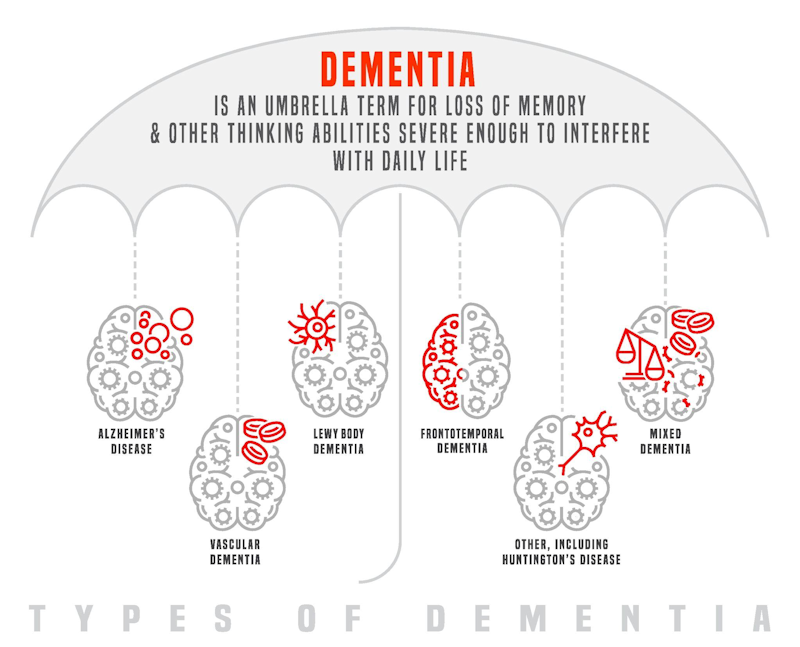
Dementia is not a single disease. Instead, it is a broad term describing a group of symptoms that affect memory, reasoning, communication, and the ability to perform everyday activities. In simple terms, dementia refers to a syndrome involving ongoing cognitive decline that interferes with daily life.
Dementia occurs when brain cells become damaged and can no longer communicate effectively. That damage can result from several underlying conditions.
Common Types of Dementia
There are several types of dementia, each with unique causes, symptoms, and progression patterns. Understanding these differences can help families better recognize symptoms and seek the most appropriate care.
Alzheimer’s Disease
Alzheimer’s disease is the most common type of dementia. It develops gradually and primarily affects memory in its early stages. Over time, it also impacts reasoning, language, and the ability to carry out daily tasks.
Alzheimer’s is linked to abnormal protein buildup in the brain, which damages nerve cells and disrupts communication between them. It is progressive, meaning symptoms worsen over time.
Vascular Dementia
Vascular dementia is caused by reduced blood flow to the brain, often following a stroke or a series of small strokes. Unlike Alzheimer’s, memory loss may not be the first symptom.
Instead, individuals might experience difficulty with problem-solving, slowed thinking, or trouble with focus and organization. Managing heart health, blood pressure, and diabetes plays a key role in prevention and care.
Lewy Body Dementia
Lewy body dementia is associated with abnormal protein deposits called Lewy bodies in the brain. This type of dementia can cause fluctuating alertness, visual hallucinations, movement difficulties similar to Parkinson’s disease, and sleep disturbances. Symptoms may vary from day to day, which can make diagnosis more complex.
Frontotemporal Dementia (FTD)
Frontotemporal dementia primarily affects the frontal and temporal lobes of the brain, areas responsible for personality, behavior, and language. Unlike Alzheimer’s, memory may remain relatively intact in the early stages.
Instead, families often notice significant personality changes, impulsive behavior, or difficulty with speech and communication. FTD is more likely to occur at a younger age compared to other dementias.
What Is Alzheimer’s Disease?
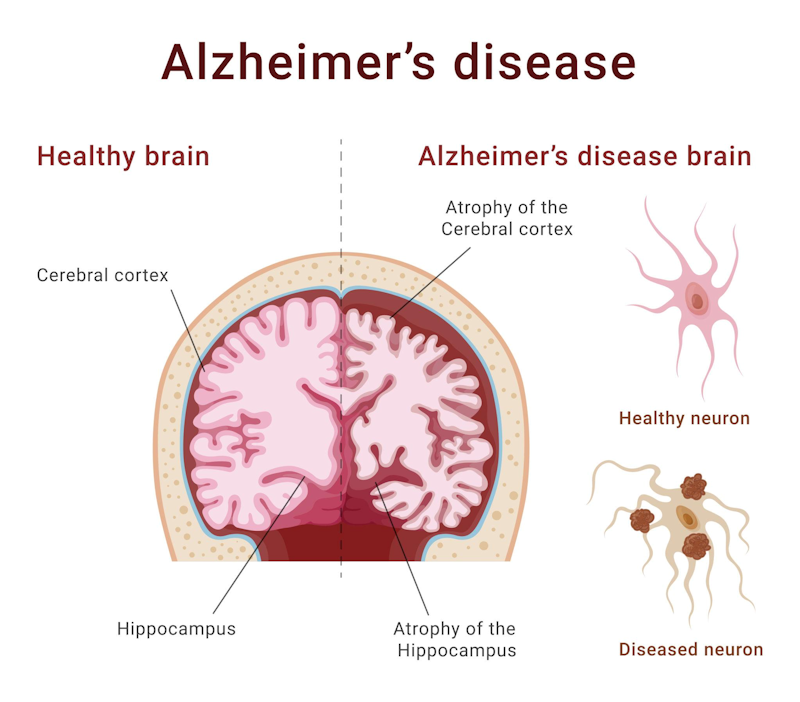
Alzheimer’s disease is a progressive neurological disorder and the most common type of dementia. According to the Alzheimer’s Association, it accounts for the majority of dementia cases worldwide.
In Alzheimer’s disease, abnormal proteins — known as amyloid plaques and tau tangles — build up between and within brain cells. Over time, these protein changes disrupt communication between neurons and lead to cell death.
Symptoms and Progression
Common symptoms of Alzheimer’s and dementia may overlap, but Alzheimer’s typically follows a recognizable pattern:
- Early-stage: mild memory loss, difficulty finding words, misplacing items
- Middle-stage: increased confusion, mood changes, difficulty with daily tasks
- Late-stage: significant memory impairment, physical decline, need for full-time care
Key Differences Between Dementia and Alzheimer’s
1. Definition: Syndrome vs. Specific Disease
The most important distinction in the dementia vs Alzheimer’s discussion is this:
- Dementia is a general term describing a group of symptoms that affect memory, thinking, and daily functioning.
- Alzheimer’s disease is a specific, progressive brain disorder that causes dementia.
In other words, dementia describes what is happening (cognitive decline), while Alzheimer’s explains why it is happening in many cases.
2. Causes
Dementia can result from many underlying conditions. The causes of dementia include:
- Alzheimer’s disease
- Reduced blood flow to the brain (vascular dementia)
- Abnormal protein deposits (Lewy body dementia)
- Degeneration of the frontal or temporal lobes (frontotemporal dementia)
Alzheimer’s disease, specifically, is caused by abnormal protein buildup in the brain — amyloid plaques and tau tangles — which damage brain cells over time.
3. Symptom Patterns
Although the symptoms of Alzheimer’s and dementia overlap, the pattern of symptoms may differ.
Alzheimer’s usually begins with gradual memory loss, especially short-term memory.
Other types of dementia may first present with changes in judgment, personality, movement, or visual perception rather than memory.
For example, someone with vascular dementia may struggle more with planning and organization early on, while someone with frontotemporal dementia may show noticeable personality changes.
4. Progression
Alzheimer’s disease typically progresses slowly and steadily over several years.
Other dementias may:
- Progress more rapidly
- Worsen in steps (such as after a stroke)
- Fluctuate from day to day
These differences can influence care planning and dementia treatment options.
5. Diagnosis and Treatment Approach
Identifying the exact type of dementia helps guide symptom management, lifestyle recommendations, and long-term planning. A diagnosis of Alzheimer’s provides more specific information about expected progression and medication options.
Shared Symptoms Between Dementia and Alzheimer’s
Both conditions may involve:
- Memory loss
- Confusion or disorientation
- Difficulty communicating
- Mood or personality changes
- Trouble with reasoning and decision-making
Because the symptoms of Alzheimer’s and dementia can look so similar, it is common for families to confuse the terms. However, identifying the underlying cause of dementia symptoms is essential for choosing the most appropriate dementia treatment options.
A precise diagnosis helps doctors tailor medications, therapies, and care strategies more effectively.
Diagnosis and Treatment Approaches
Doctors use several tools to diagnose dementia and Alzheimer’s, including:
- Cognitive and memory assessments
- Neurological exams
- Brain imaging (MRI or CT scans)
- Blood tests to rule out other conditions
While there is currently no cure for Alzheimer’s and most other dementias, early diagnosis can significantly improve quality of life.
Treatment Options
Dementia treatment options may include:
- Medications to manage symptoms
- Occupational or cognitive therapy
- Structured daily routines
- Heart-healthy diet and exercise
- Emotional and social support
Early management allows families to plan ahead and create a safe, supportive environment.
How to Support Loved Ones Living with Cognitive Decline
Caring for someone experiencing cognitive decline can be emotionally demanding. Small, consistent actions can make a meaningful difference:
- Practice patience and calm communication
- Maintain structured routines
- Create a safe home environment
- Offer reassurance and emotional support
Caregivers are not alone. Organizations like the Alzheimer’s Association provide educational materials, local chapters, and support groups for families navigating dementia care.
At Senior Home Transitions, we also encourage families to explore community resources, respite care options, and professional guidance when needed.
Frequently Asked Questions
Clarity for Better Care
If you notice persistent memory changes or signs of cognitive decline in yourself or a loved one, consult a healthcare professional promptly.
With awareness, early intervention, and compassionate support, families can face these challenges with greater confidence.
At Senior Home Transitions, we believe that education and empathy are essential in navigating both Alzheimer’s and dementia, to create safer, more supportive futures for those we love.
Reach out to us today to learn how we can help.