When a loved one begins experiencing memory changes or signs of cognitive decline, one of the first questions families ask is: How is Alzheimer’s disease diagnosed?
At Senior Home Transitions, we understand that uncertainty can feel overwhelming. The good news is that today’s Alzheimer’s diagnosis process is thorough, evidence-based, and designed to provide clarity.
Trusted organizations like the Alzheimer’s Association emphasize that diagnosis involves multiple evaluation steps — not a single test — to ensure accuracy and proper care planning.
Why Early Diagnosis Matters in Alzheimer’s Care
Early detection of Alzheimer’s can make a meaningful difference for both patients and families.
An early diagnosis allows individuals to:
- Access medications that may help manage symptoms
- Participate in clinical trials
- Plan financially and legally for the future
- Explore living arrangements and care options
- Connect with support groups and counseling resources
Beyond medical benefits, early clarity can reduce anxiety. Understanding what is happening, rather than fearing the unknown, helps families move forward with confidence and support.
The Initial Medical Evaluation for Alzheimer’s
The initial medical evaluation is one of the most important steps in understanding how Alzheimer’s disease is diagnosed.
This stage is designed to gather a complete picture of a person’s health, symptoms, and daily functioning before any conclusions are made.
1. A Detailed Medical History
The process usually begins with a comprehensive medical history review.
Doctors may ask:
- When memory or thinking changes first began
- Whether symptoms appeared gradually or suddenly
- How symptoms are affecting work, relationships, or daily routines
- Whether there have been personality or mood changes
- What medications are currently being taken
Family members or caregivers are often encouraged to attend this appointment. Their observations can be extremely helpful, especially if the person experiencing symptoms is unaware of certain changes.
2. Review of Risk Factors
Physicians will also evaluate known risk factors associated with Alzheimer’s and other forms of dementia, including:
- Age
- Family history of dementia
- Cardiovascular conditions (such as high blood pressure or diabetes)
- History of stroke or head injury
- Lifestyle factors
Understanding these elements helps doctors assess whether symptoms align with Alzheimer’s or may point to another cause of cognitive decline.
3. Physical and Neurological Examination
A physical exam is typically performed to check overall health. This may include:
- Blood pressure and heart rate assessment
- Coordination and balance checks
- Reflex testing
- Eye movement evaluation
- Strength and sensation testing
A neurological exam helps determine whether symptoms could be related to other brain or nervous system conditions.
4. Differential Diagnosis: Ruling Out Other Health Conditions
Conditions like depression, anxiety, sleep disorders, thyroid disorders, and medication side effects can sometimes mimic memory loss.
To rule them out, doctors may also ask questions about mood, sleep patterns, stress levels, and emotional well-being. Treating underlying health concerns can sometimes improve cognitive symptoms.
5. Laboratory Testing
As part of the Alzheimer’s evaluation steps, physicians often order blood tests to rule out reversible causes of memory problems. These tests may check for:
- Thyroid disorders
- Vitamin deficiencies (such as B12)
- Infections
- Electrolyte imbalances
Ruling out treatable conditions is a critical part of the Alzheimer’s diagnosis process.
6. Referral to Specialists
If initial findings suggest the possibility of Alzheimer’s or another form of dementia, a primary care provider may refer the patient to:
- A neurologist (brain and nervous system specialist)
- A geriatrician (specialist in older adult care)
- A neuropsychologist (specialist in cognitive testing)
This collaborative approach ensures a thorough and accurate diagnosis.
Further Evaluation for Confirming Alzheimer’s
1. Cognitive and Memory Tests
A key part of the Alzheimer’s diagnosis process involves cognitive testing for Alzheimer’s.
These structured assessments evaluate areas such as:
- Short-term and long-term memory
- Attention and concentration
- Language skills
- Problem-solving ability
- Visual and spatial awareness
Two commonly used assessments include:
- The Mini-Mental State Examination (MMSE)
- The Montreal Cognitive Assessment (MoCA)
During testing, patients may be asked to:
- Recall a short list of words
- Identify the current date and location
- Perform simple calculations
- Draw a clock or copy shapes
- Follow verbal instructions
These tests are not designed to intimidate; they simply help physicians measure thinking abilities in a standardized way.
2. Brain Imaging and Laboratory Tests
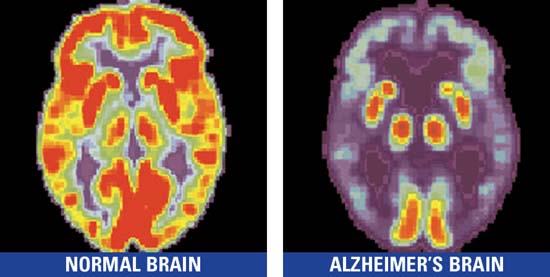
When memory concerns persist, doctors may order brain imaging for dementia to gather more information.
Imaging Tests
Common imaging methods include:
- MRI (Magnetic Resonance Imaging)
- CT (Computed Tomography) scans
- PET (Positron Emission Tomography) scans
These scans help rule out other causes of symptoms, such as tumors, strokes, bleeding, or structural brain changes.
Biomarker Testing
In some cases, doctors may recommend:
- Blood tests
- Spinal fluid (cerebrospinal fluid) analysis
These medical tests for memory loss can detect biomarkers like beta-amyloid and tau proteins, which are associated with Alzheimer’s disease.
While these tools provide strong evidence, no single test alone confirms Alzheimer’s. Diagnosis requires a comprehensive evaluation.
Next Steps After Receiving an Alzheimer’s Diagnosis
Receiving a diagnosis can bring a mix of emotions — relief, fear, sadness, or even validation. Physicians typically meet with patients and families to explain results clearly and discuss next steps.
Families are encouraged to:
- Ask questions about prognosis and treatment
- Explore medication options
- Create a long-term care plan
- Connect with local or online support groups
The Alzheimer’s Association offers a 24/7 helpline, educational materials, and caregiver support. Resources like Healthline also provide detailed explanations of the diagnosis process.
When it comes to your loved one, there are several helpful tips to talking to them about alzheimer’s.
Frequently Asked Questions
Reach Out for Help
Diagnosing Alzheimer’s is a careful, multi-step process that requires medical expertise, compassion, and patience.
If you or a loved one is experiencing persistent memory concerns, take the first step by consulting a healthcare provider. Understanding how Alzheimer’s disease is diagnosed can bring peace of mind and guide important care decisions.
If you are exploring senior living options after a diagnosis, Senior Home Transitions is here to help.
Contact us today for guidance in selecting the right senior home, one that provides safety, dignity, and compassionate support for every stage of care.